What Is Neurodiversity and Why It Matters
To understand Bhatt’s impact, it’s important first to define neurodiversity — the idea that differences in learning, thinking, and processing are a natural and valuable form of human diversity, rather than defects requiring correction. This framework challenges traditional deficit‑focused views of learning disabilities and emphasizes strengths, potential, and individuality.
In India, this shift has been particularly meaningful. Historically, many families struggled in silence, often unaware that conditions like autism or dyslexia had valid scientific explanations and did not indicate low intelligence or lack of effort. Rajeev Bhatt’s work helped move the conversation toward acceptance, understanding, and practical support — a transition that has deeply influenced educators, policymakers, and parents.
The Early Days: Awareness Before Acceptance
Rajeev Bhatt began his work at a time when awareness of learning differences was limited and often misunderstood. In the 1990s and early 2000s, terms like autism or dyslexia were unfamiliar to most Indian parents and educators, and families often faced social stigma without clear guidance. It was into this landscape that Bhatt brought clarity, science, and empathy — helping transform cultural perceptions of learning disability into dialogues rooted in dignity and possibility.
His early efforts targeted misconceptions by explaining that neurodevelopmental differences are not deficits but variations in how the brain functions, laying the groundwork for a new framework in Indian education. This approach helped countless families feel understood rather than judged — a foundational step toward inclusion.
Beyond Awareness: Creating Resources That Help
Bhatt didn’t stop at awareness. Realising the need for accessible resources, he authored and contributed to books aimed at helping families and educators understand complex developmental conditions.
His notable works such as Understanding Autism and Understanding Dyslexia break down scientific concepts into language that is both empathetic and practical, offering real‑world strategies for support and intervention in educational settings. These resources became essential guides for families navigating unfamiliar challenges, helping bridge the gap between clinical knowledge and everyday understanding.
In essence, these books empowered parents and teachers to move from confusion and fear to confidence and proactive engagement — a significant shift in mindset that reinforced the core principle of neurodiversity: every learner deserves respect, understanding, and the right tools to thrive.
Adhyayan Inclusive Learning Centre: A Living Model of Inclusion
Perhaps the most visible and impactful manifestation of Rajeev Bhatt’s vision is the Adhyayan Inclusive Learning Centre in South Delhi — an institution that embodies the principles of neurodiversity and inclusive education in everyday practice.
Founded and led by Bhatt himself, the centre is recognised nationally as a benchmark model for Individualised Education Plan (IEP)‑driven instruction — meaning that every learner’s unique strengths, challenges, and preferences guide their educational pathway.
A Truly Inclusive Environment
At Adhyayan, inclusion goes beyond physical integration into a classroom. It means:
- Personalised learning paths tailored to each student’s strengths and interests.
- Therapeutic support designed to build confidence, emotional regulation, and communication skills.
- Real‑world skill development that fosters independence and career readiness.
- A community culture that celebrates differences rather than merely tolerating them.
This holistic approach marks a powerful departure from one‑size‑fits‑all education — by redefining success on the terms of the learner, not the system.
More Than Academics: Building Futures
Adhyayan’s impact is visible in the diversity of paths taken by its students. Graduates have pursued careers in hospitality, culinary arts, digital design, fine arts, sports, and customer‑facing services. These successes are not exceptions but examples of what becomes possible when education respects individuality and cultivates strengths.
The centre’s model demonstrates that neurodiverse learners can excel across fields when they are supported with respect, guidance, and equitable opportunities — a message that resonates far beyond its walls.
Building Awareness Nationwide
While Adhyayan serves as a centre of excellence, Rajeev Bhatt’s work extends well beyond. Over the years, he has conducted countless sensitisation workshops for teachers, awareness sessions for parents, community engagements, and training modules for educational institutions across urban and rural India.
These initiatives helped destigmatise learning differences and equipped educators with the tools to support students with diverse learning needs. Rather than leaving inclusion to chance or goodwill, Bhatt’s approach emphasised structured, evidence‑based practices that could be replicated and adapted across various educational settings.
By training teachers and engaging communities, he helped build a network of awareness that amplified beyond individual families — contributing to an educational ecosystem better prepared to embrace neurodiversity.
Recognition at the National Level
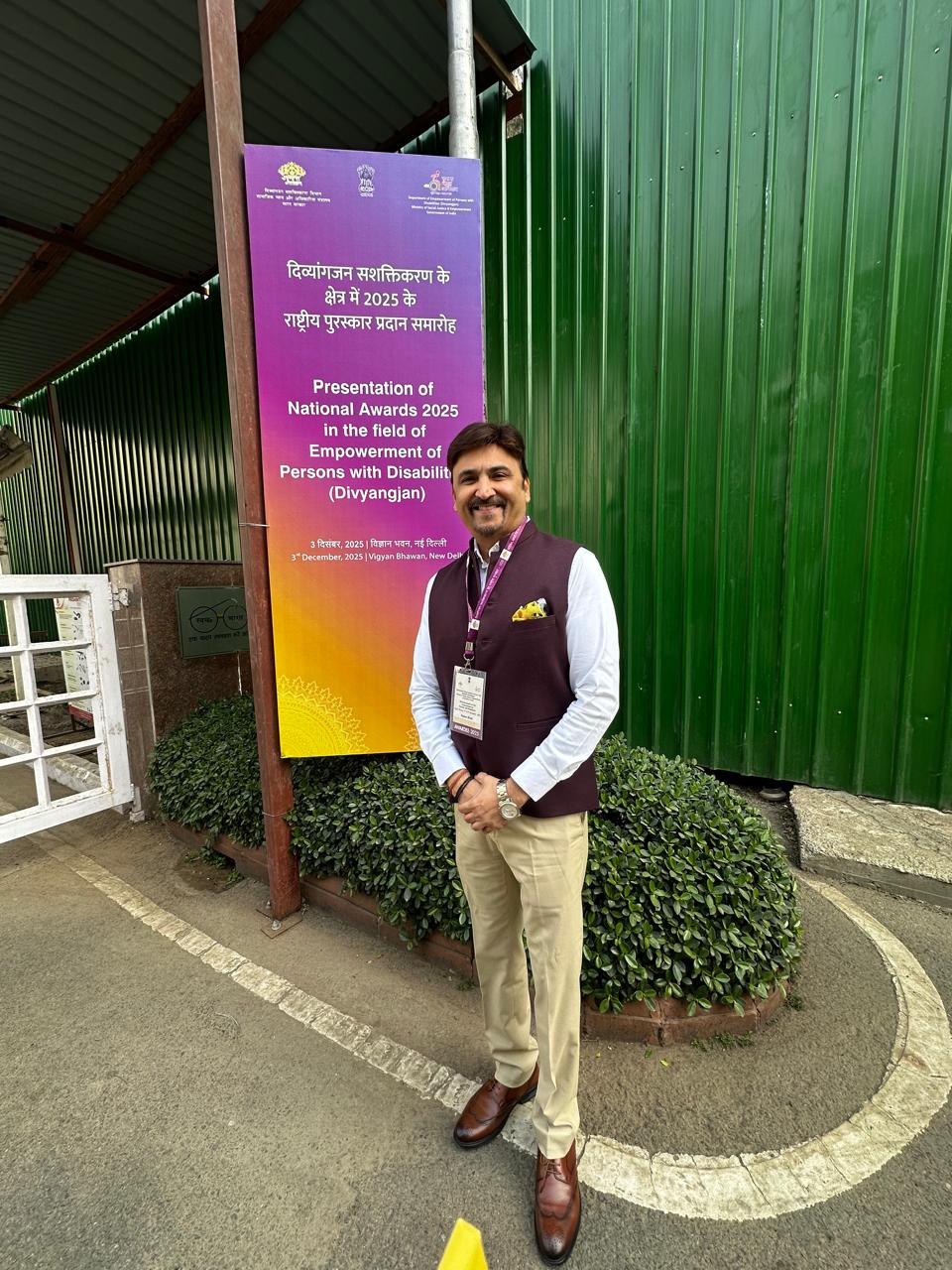
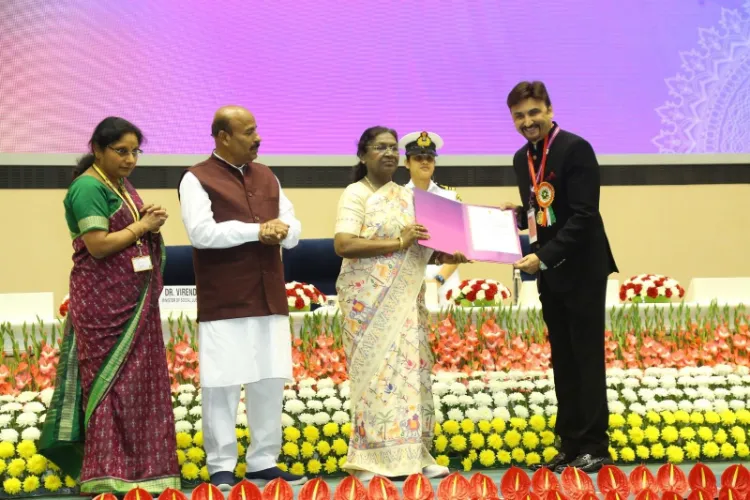
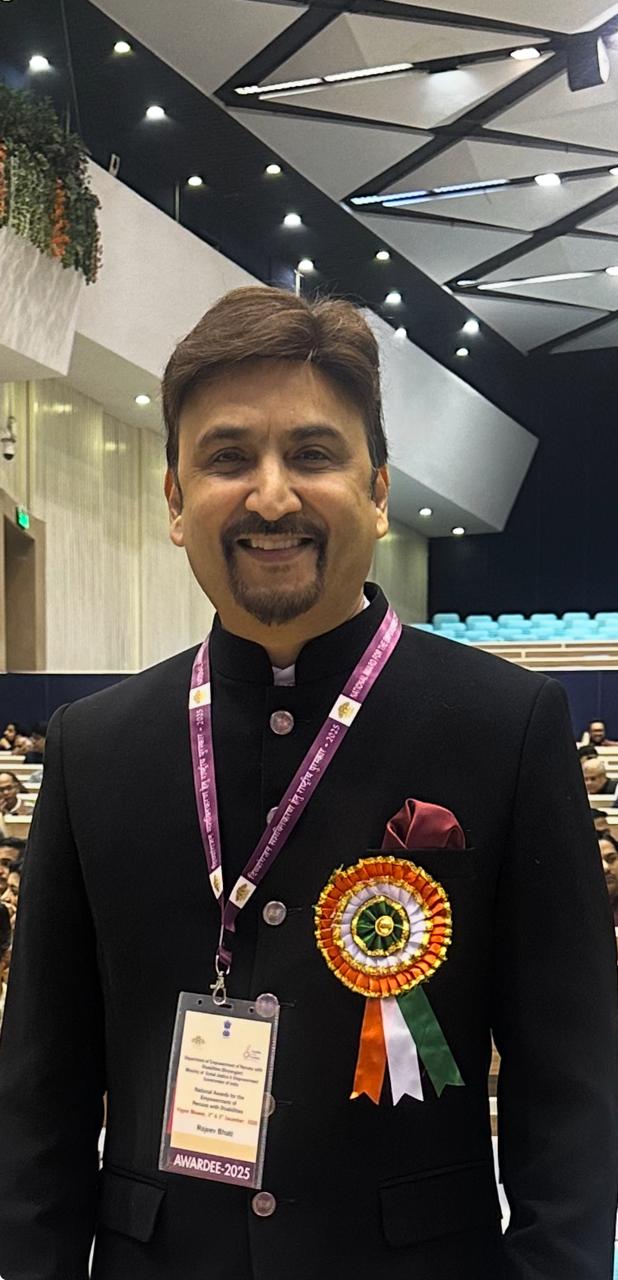
In 2025, Rajeev Bhatt’s decades of commitment received one of the nation’s highest honours: the National Award for Empowerment of Persons with Disabilities. This prestigious recognition — presented by the President of India in New Delhi — acknowledged his three decades of work promoting inclusion, awareness, and support for learning diversity across the country.
The award celebrated his role not simply as an educator but as a catalyst for national transformation — someone who brought dignity, opportunity, and belonging to thousands of families and learners.
Bhatt’s recognition signals a broader shift in India’s educational consciousness — from reluctance and misunderstanding toward acceptance and possibility.
A Paradigm Shift: From Deficit to Strength‑Based Education
One of the core contributions of Rajeev Bhatt’s work is the paradigm shift away from deficit‑focused approaches to strength‑based education. Instead of emphasizing what learners cannot do, his methods ask:
- What are their natural strengths?
- How can learning environments be structured to amplify those strengths?
- What real‑world experiences can help a child build confidence and competence?
This strength‑oriented model is not only empowering for learners but also practical for educators and families. It validates diverse brains as valuable contributors to society — not anomalies to be corrected.
In classrooms and learning centres across the country, this shift encourages collaboration, curiosity, and creativity — qualities that benefit all learners, not only those with specific diagnoses.
Changing the Narrative: Language, Policy, and Practice
Bhatt’s influence has also shaped how educators talk about learning differences. By promoting respectful, accurate language and fostering environments where learners feel understood, he helped dismantle long‑held biases. This cultural change impacts school policy, teacher training, classroom design, and — most importantly — learner self‑esteem.Furthermore, his work aligns with India’s broader policy direction toward inclusive education, as outlined in initiatives like the National Education Policy and rights‑based frameworks that advocate for equitable access to schooling for all learners. While systemic change requires ongoing effort, Bhatt’s contributions help bridge policy intent with classroom practice.
Real Lives, Real Change
The true measure of Rajeev Bhatt’s impact lies in the countless lives that have been transformed: children who once struggled to be understood, families who once felt alone, and teachers who now feel equipped to support diverse learners.
Parents often describe Bhatt as a source of hope, educators recognize him as an innovator, and students affectionately call him “Rajeev Sir” — a mentor who helped them believe in their own potential.
These personal testimonies reflect a broader social transformation — one where learning differences are not feared but understood, respected, and embraced.
Looking Toward the Future
While progress has been significant, the journey toward truly inclusive education in India continues. Schools, communities, and policymakers must keep adapting and refining practices that support all learners. Rajeev Bhatt’s legacy — particularly through centres like Adhyayan Inclusive Learning Centre — provides a blueprint for the future: one rooted in equity, empathy, and the belief that every child deserves the opportunity to thrive.
By championing neurodiversity and building systems that accommodate, celebrate, and elevate differences, India moves closer to a vision of education that leaves no learner behind. And as more educators, families, and leaders embrace this vision, the ripple effects of Bhatt’s work will continue to shape inclusive education for generations to come.
Conclusion
Rajeev Bhatt’s contributions have fundamentally changed how India approaches neurodiversity and inclusion. Through awareness, resources, training, and the creation of a real‑world model of inclusive education at Adhyayan Inclusive Learning Centre, he has inspired a national movement toward dignity, acceptance, and opportunity for all learners. His work reminds us that every child’s potential is unique, valuable, and waiting to be nurtured.
As India embraces a future where diversity is not simply acknowledged but celebrated, Rajeev Bhatt’s legacy shines as a testament to the power of empathy, innovation, and unwavering commitment to inclusion.