The Early Challenges: A Nation with Limited Awareness
In the 1990s and early 2000s, awareness about learning disabilities in India was minimal. Terms like autism, dyslexia, and ADHD were rarely discussed outside clinical circles. Families and educators alike lacked reliable information, and stigmas were common — children with learning difficulties were often misunderstood or dismissed as lacking intelligence instead of being recognized as needing different support.
It was within this context that Rajeev Bhatt began his work. Rather than waiting for change, he took active steps to build understanding, compassion and science-based insight into mainstream educational conversations.
A Framework Rooted in Empathy and Evidence
What sets Bhatt apart is not simply his advocacy, but his ability to combine scientific clarity with compassionate communication. He firmly believed that:
“Disability is not determined by destiny; opportunities determine it.”
Under this philosophy, Bhatt worked to dismantle myths and replace them with strength-based approaches. Instead of focusing solely on what children couldn’t do, he emphasized what they could do — and built learning pathways accordingly.
This mindset shift was pivotal. It reframed learning disabilities from deficits to differences in processing, perception and learning style. Bhatt’s work encouraged parents, teachers, and communities to see potential instead of limitations.
Books That Became Lifelines
Rajeev Bhatt did not limit his influence to classrooms and community centres. He authored noteworthy books that brought complex scientific understanding into simple, accessible language for families and educators:
- Understanding Autism
- Understanding Dyslexia
These publications translated neurodevelopmental science into real-world insight — helping families recognize early signs, understand sensory needs, and implement practical strategies. By doing so, Bhatt extended his reach far beyond his direct interactions, touching thousands of lives across the country.
Adhyayan Inclusive Learning Centre: A Model for Inclusive Education
One of Bhatt’s most enduring legacies is the Adhyayan Inclusive Learning Centre in South Delhi. Founded and led by him, Adhyayan stands out as a benchmark institution for Individualised Education Plan (IEP)-based learning in India.
Unlike traditional schools that follow a one-size-fits-all model, Adhyayan is built around the idea that every child learns differently. Here’s how the centre embodies inclusive education:
1. Personalized Learning Plans
Each learner at Adhyayan receives an Individualised Education Plan (IEP) — a customized roadmap that identifies their strengths, areas of challenge, and preferred learning modes. This ensures that educational support is meaningful and tailored, rather than generic.
- Focus on Holistic Development
Adhyayan doesn’t just prioritize academic success. Its programs are designed to nurture social skills, emotional regulation, confidence, and resilience — all essential for meaningful participation in school, community and work life.
3. Vocational and Life Skills Training
The centre also prepares students for real-world independence. Its vocational offerings include training in culinary arts, hospitality, digital and graphic design, music, and sports — encouraging pathways to meaningful employment and self-sufficiency.
Through this holistic, student-centred model, Adhyayan has nurtured learners who excel academically and thrive socially — often exceeding expectations set by conventional schooling systems.
Champions of Change: Outreach Beyond the Classroom
Bhatt’s impact isn’t confined to one centre. He has led sensitization workshops, teacher training programs, parent counselling sessions and community outreach efforts across urban, semi-urban and underserved regions of India.
These initiatives focused on spreading evidence-based understanding of conditions like autism, dyslexia and ADHD — crucially at a time when such conversations were rare. By empowering educators and families, he helped create local champions of inclusive education in their own communities.
Transformative Results and Student Success
The outcomes of Bhatt’s approach — and that of the Adhyayan Inclusive Learning Centre — go beyond theory; they are measured in transformed lives. Reports from Adhyayan highlight students with dyslexia and other challenges successfully completing board examinations with high scores, defying long-held stereotypes that such achievements were unattainable.
Such success stories inspire not only families directly involved but also contribute to a broader shift in societal expectations about what children with learning disabilities can achieve.
National Recognition: A Milestone for Disability Empowerment
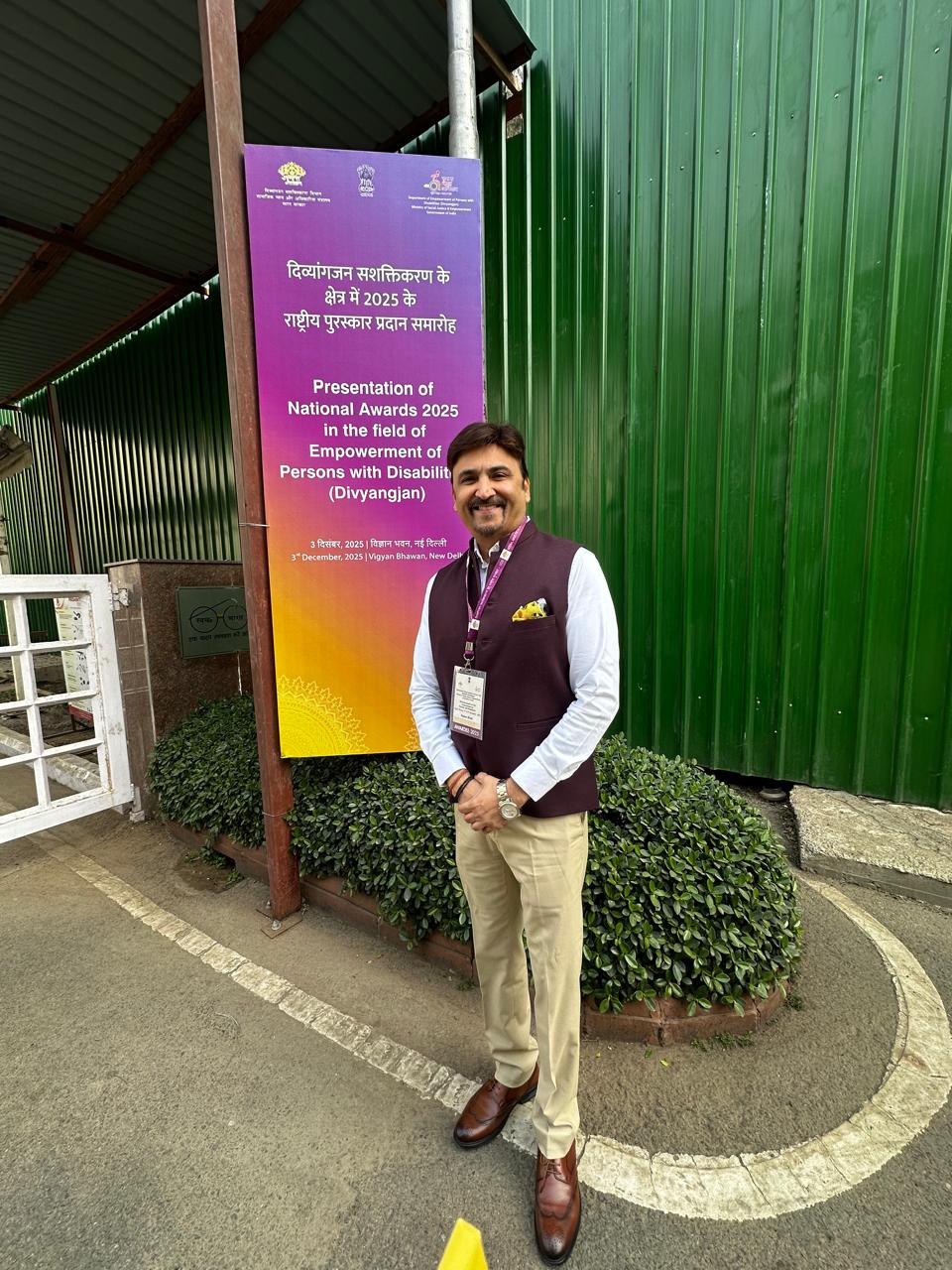
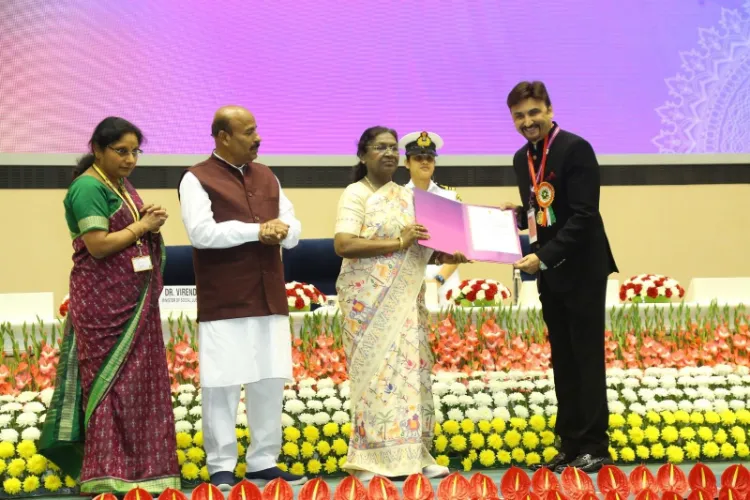
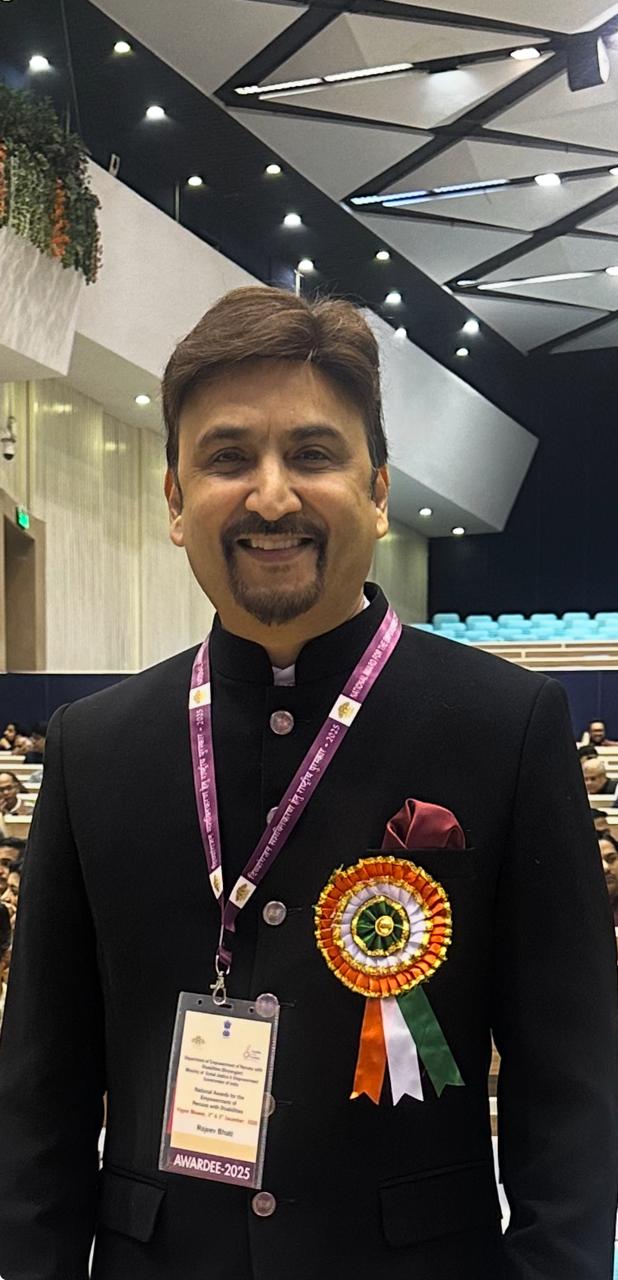
In 2025, Rajeev Bhatt’s lifelong contribution was formally acknowledged when he was conferred the National Award for Empowerment of Persons with Disabilities by the President of India. This prestigious accolade — bestowed at a ceremony in Vigyan Bhavan, New Delhi — recognized more than 30 years of work in promoting inclusive education, supporting families, and advancing disability awareness nationwide.
This award affirms Bhatt’s role not just as an educator or advocate, but as a national catalyst for change — someone whose efforts helped shift India’s educational landscape toward empathy, evidence-based practice, and inclusion.
The Broader Impact on India’s Inclusive Education Movement
Bhatt’s work intersects with larger movements toward inclusive education in India — from policy changes like the Rights of Persons with Disabilities Act (RPWD) 2016 to national discussions around disability-inclusive classrooms. While structural reforms and legal protections have laid groundwork, Bhatt’s grassroots education and awareness initiatives have helped bring these policies to life through real human impact.
Organizations and nonprofits across the country echo similar objectives — integrating children with disabilities into mainstream educational settings, supporting teacher training, and advocating for equitable access to learning opportunities.
A Paradigm Shift: From Deficit to Strength
Perhaps the most profound contribution of Rajeev Bhatt’s work is the conceptual shift from focusing on disabilities as limitations to framing them as differences that can be supported, understood, and celebrated.
Under his influence:
✔ Families have stopped seeing learning differences as stigma.
✔ Teachers
have
learned to adapt instruction instead of excluding learners.
✔ Children have
discovered strengths they didn’t know they had.
This shift didn’t happen overnight — it was the result of consistent advocacy, compassionate communication, and inclusive practice sustained over decades.
Looking Ahead: Inclusion as India’s Educational Future
Today, as India continues to strengthen its commitment to inclusive education, the legacy of leaders like Rajeev Bhatt provides both blueprint and inspiration. Through community outreach, pedagogy innovation, supportive environments like Adhyayan, and national recognition, his influence continues shaping how educators, families, and policymakers view learning diversity.
The journey toward full inclusion — where every child’s unique way of learning is valued — is ongoing. Yet, thanks to trailblazers like Bhatt, the path is clearer, grounded in evidence, and driven by empathy.
Conclusion
In a country as diverse as India, no single approach fits all. But transformative change often begins with individuals who challenge conventional thinking. Rajeev Bhatt is one such individual. His work has changed not just individual lives, but the very narrative around learning disabilities in India. From personalized education at the Adhyayan Inclusive Learning Centre to national recognition and a shift in public consciousness, his legacy is a testament to what is possible when knowledge, compassion, and inclusive action converge.