Who Is Rajeev Bhatt and Why He Matters
Rajeev Bhatt is more than an educator — he is a visionary leader in inclusive education. His journey began in the 1990s, when awareness about learning differences such as autism, dyslexia, and ADHD was still limited in Indian society. At that time, stigma and misconceptions often pushed families into confusion, and support structures were minimal. Bhatt stepped into this gap with a scientific yet compassionate approach rooted in respect for neurodiversity.
Over the years, he has championed capacity-building initiatives, teacher training, parent counselling, community outreach programmes, and awareness workshops — always under the guiding vision of “One India – Inclusive India.” These efforts have helped thousands of children access education that respects their unique needs and strengths.
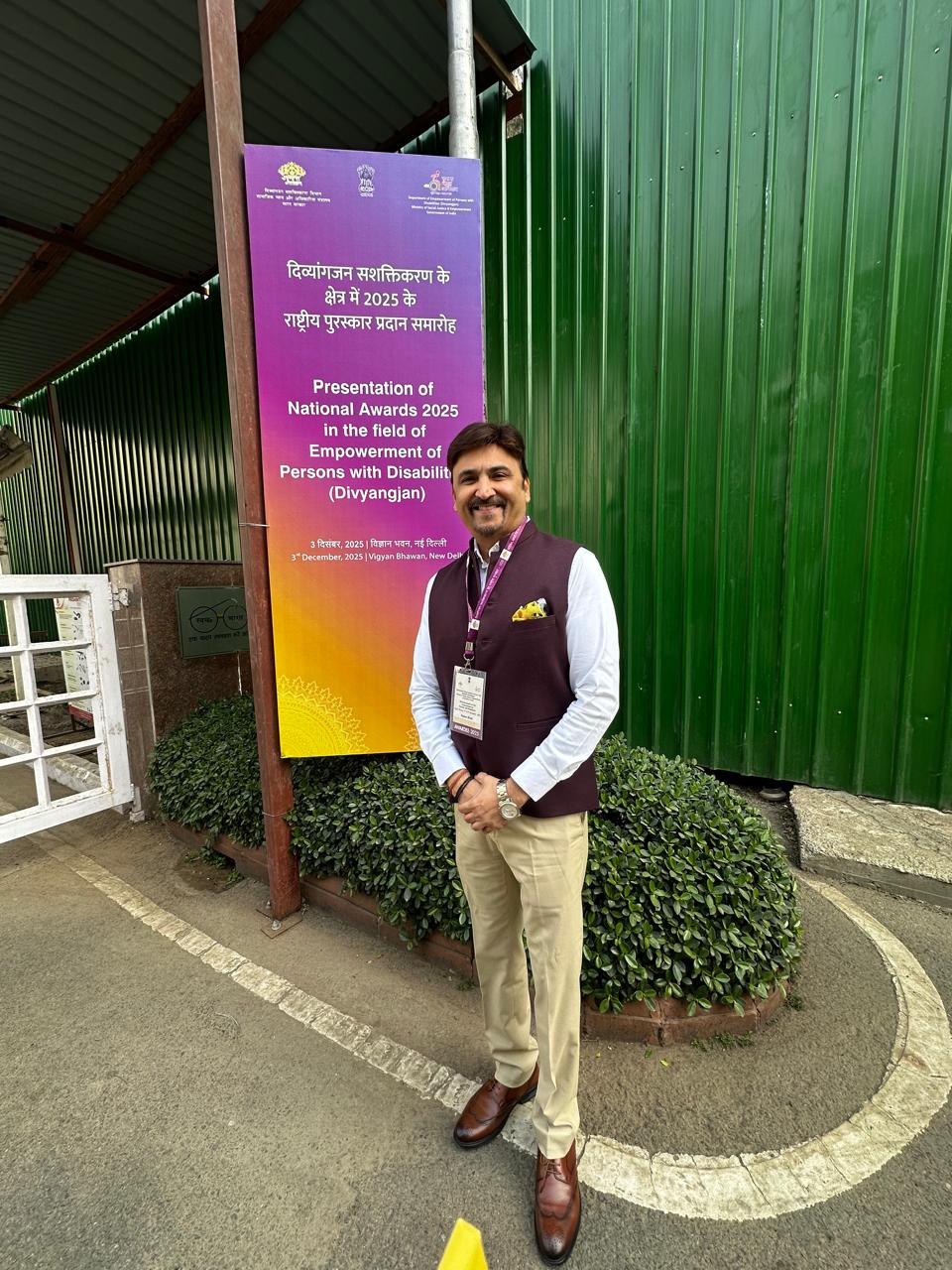
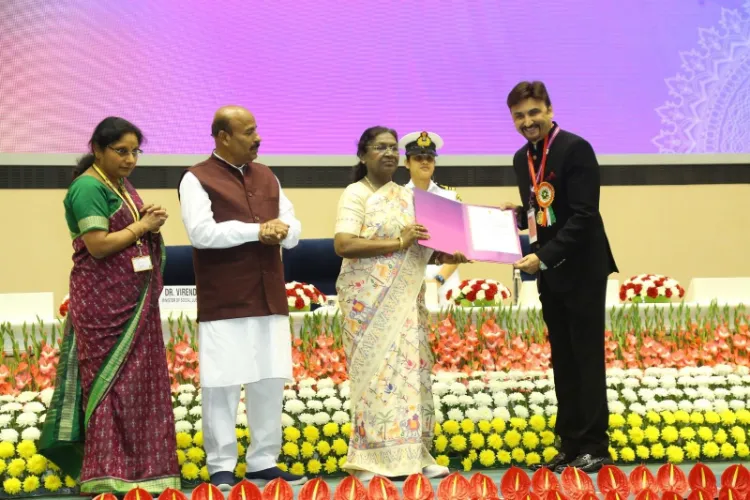
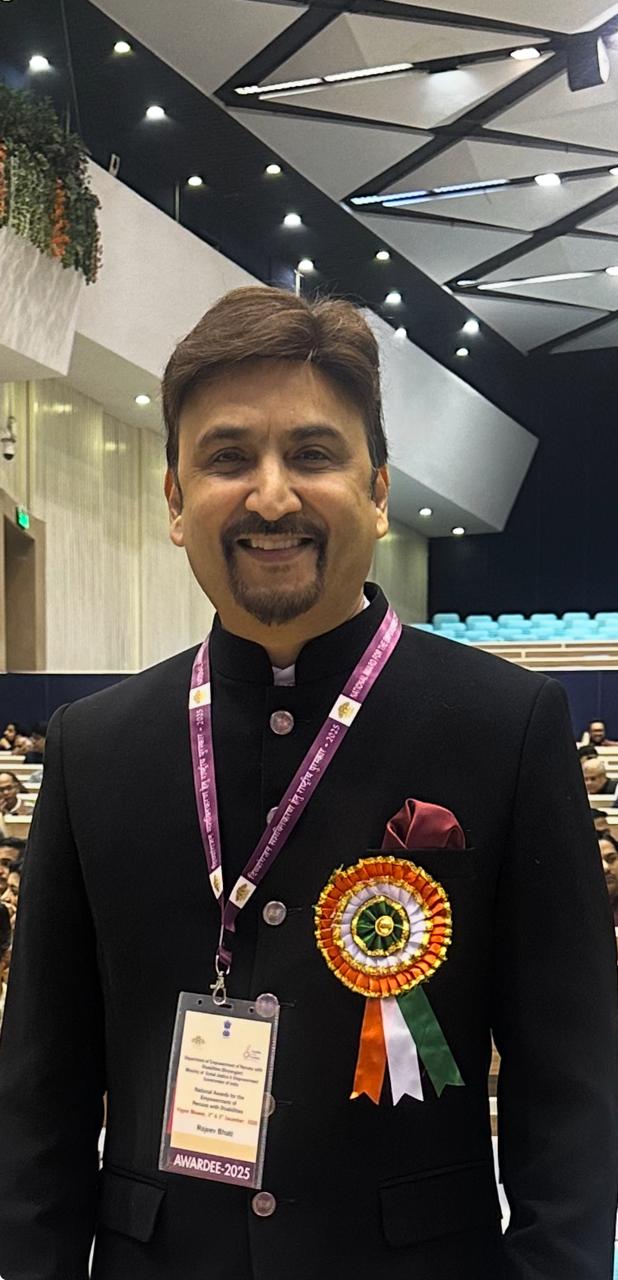
In recognition of his lifelong commitment, the Government of India conferred the National Award 2025 for Empowerment of Persons with Disabilities on Rajeev Bhatt. This honour — presented by the President of India at Vigyan Bhavan, New Delhi — celebrates his more than three decades of work promoting inclusion, learning diversity, and empowerment.
The Philosophy Behind Transformative Inclusive Education
At the heart of Bhatt’s work is a strength-oriented philosophy: rather than focusing on a child’s difficulties, educators and caregivers should identify and nurture their strengths. This approach runs counter to traditional deficit-based models where learners are primarily viewed through the lens of limitations. Bhatt reframes the narrative: disability is not destiny — opportunities define what a child can become.
- Learners gain confidence and agency because instruction is tailored to what they excel at.
- Educators are trained to adapt teaching methods, rather than expecting all students to adapt to a single system.
- Families feel supported and empowered, rather than overwhelmed or ashamed.
Bhatt’s dual emphasis on empathy and evidence — blending psychological insight with individualized educational programming — has influenced schools, institutions, and practitioners across India.
Adhyayan Inclusive Learning Centre: A National Benchmark
A cornerstone of Rajeev Bhatt’s contribution is the Adhyayan Inclusive Learning Centre — an institution he founded and continues to lead. Located in Delhi, Adhyayan has become a model for inclusive education based on Individualized Education Programs (IEPs).
What Makes Adhyayan Stand Out?
- Learner-Centered Design
Every child’s educational pathway at Adhyayan is personalized. Rather than a one-size-fits-all curriculum, each learner receives an IEP tailored to their strengths, pace, and needs. Educators observe, assess and adapt teaching strategies to align with each child’s profile. - Holistic Development Focus
Adhyayan doesn’t just aim for academic competence — it prioritizes social, emotional and life skills. Children learn communication, self-regulation, teamwork, and resilience, which are essential for long-term well-being and success. - Emotional Confidence
Building
Beyond academic skills, the Centre emphasizes confidence and self-esteem. Dedicated mentors provide positive reinforcement and help students view challenges as part of their growth, not limitations. - Celebration of
Neurodiversity
Rather than simply accommodating differences, Adhyayan’s model celebrates and values neurodiversity. This inclusive culture fosters pride and belonging among learners, parents and staff.
Bridging Education and Real-World Skills
Adhyayan’s programs are explicitly designed to prepare learners not just for school, but for life and livelihood. In addition to foundational academics, the Centre offers vocational training and skill development across diverse areas such as:
- Culinary arts and hospitality
- Digital and graphic design
- Music and fine arts
- Sports and fitness
- Customer service and retail
These offerings help young adults build independence, confidence and employability, ensuring they can transition into meaningful careers and community involvement.
Books, Outreach and Thought Leadership
Rajeev Bhatt’s influence extends beyond classrooms through his writings and advocacy. He has authored well-regarded books such as Understanding Autism and Understanding Dyslexia, which break down complex developmental topics into accessible, evidence-based guidance for parents, educators and caregivers.)
His work in sensitising communities, training professionals, and influencing inclusive pedagogy reinforces the idea that every child’s potential can flourish when given respect, opportunity, and the right support.
Why This Matters in Today’s India
Inclusive education is not just a moral imperative — it’s backed by national priorities and legal frameworks. Government policies such as the Right to Free and Compulsory Education Act, the Rights of Persons with Disabilities (RPwD) Act, and the National Education Policy 2020 all emphasize equitable access to education for all learners.
Yet systemic challenges remain: schools often lack specialized educators, assistive technologies are limited, infrastructure can be inaccessible, and traditional teaching methods may ignore diverse needs. Bhatt’s work offers practical, scalable solutions to these gaps by demonstrating what inclusive education can look like when properly resourced and thoughtfully implemented.
Impact Beyond the Classroom
The effects of Rajeev Bhatt’s philosophy and work are far-reaching:
- Families gain hope and clarity about their children’s development and future.
- Teachers and professionals adopt inclusive practices, making classrooms more welcoming and effective for diverse learners.
- Communities build awareness and reduce stigma, promoting dignity and empowerment.
Adhyayan’s success stories — learners thriving in diverse fields and pursuing fulfilling careers — show that inclusion enriches not just individual lives, but society as a whole.
Recognition and National Contribution
Receiving the National Award 2025 for Empowerment of Persons with Disabilities affirms Rajeev Bhatt’s transformative impact on inclusive education and disability empowerment. This honour reflects not only his personal achievements but also the broader movement he has inspired — one that challenges outdated mindsets and encourages inclusive practices nationwide.
At a time when India strives to expand quality education and equal opportunities for all learners, Bhatt’s philosophy resonates strongly with public policy goals and grassroots needs alike.
The Road Ahead: Inclusive Education for All
While progress has been significant, the journey toward fully inclusive education in India continues. Strengthening teacher training, enhancing infrastructure, expanding community awareness, and integrating assistive technologies remain priority areas. Thought leaders like Rajeev Bhatt play a crucial role by providing evidence-based frameworks, real-world models, and empathetic leadership that others can emulate.
Conclusion: A Legacy of Opportunity and Belonging
Rajeev Bhatt’s contribution to inclusive education in India is not just about policies or institutions — it’s about human dignity, respect, and possibility. Through the Adhyayan Inclusive Learning Centre and his broader advocacy, he has shown that education must adapt to the learner, not the learner to the education system.
From transforming individual lives to shaping national practice, Bhatt’s work exemplifies what inclusive education should be: equitable, personalized, empowering, and rooted in the belief that every child has the right to learn, grow and belong.