In this blog, we’ll explore who Rajeev Bhatt is, why this award matters, his key contributions to education and disability awareness, and the critical role of the Adhyayan Inclusive Learning Centre — a national model for inclusive education.
Who Is Rajeev Bhatt?
Rajeev Bhatt is a leading psychologist, educator, author and disability inclusion expert based in Delhi. He has worked tirelessly since the early 1990s to bring clarity, empathy and scientific understanding to developmental conditions such as autism, dyslexia, ADHD and other learning diversities—issues that were once poorly understood and deeply stigmatized in India.
From early in his career, Bhatt recognized that many children struggled not because of a lack of ability, but due to outdated educational approaches and lack of awareness among families and teachers. His vision has always been grounded in strength-based learning, empathy-driven guidance, and evidence-informed education. Over time, his work influenced not only individual families, but entire communities, schools and policy conversations around disability inclusion in India.
What Is the National Award for Empowerment of Persons with Disabilities?
The National Award for Empowerment of Persons with Disabilities is one of the most prestigious recognitions given by the Government of India and the Department of Empowerment of Persons with Disabilities (DEPwD) under the Ministry of Social Justice & Empowerment. It honours individuals and organisations that have made remarkable contributions to enhancing the lives, opportunities and rights of persons with disabilities across the nation.
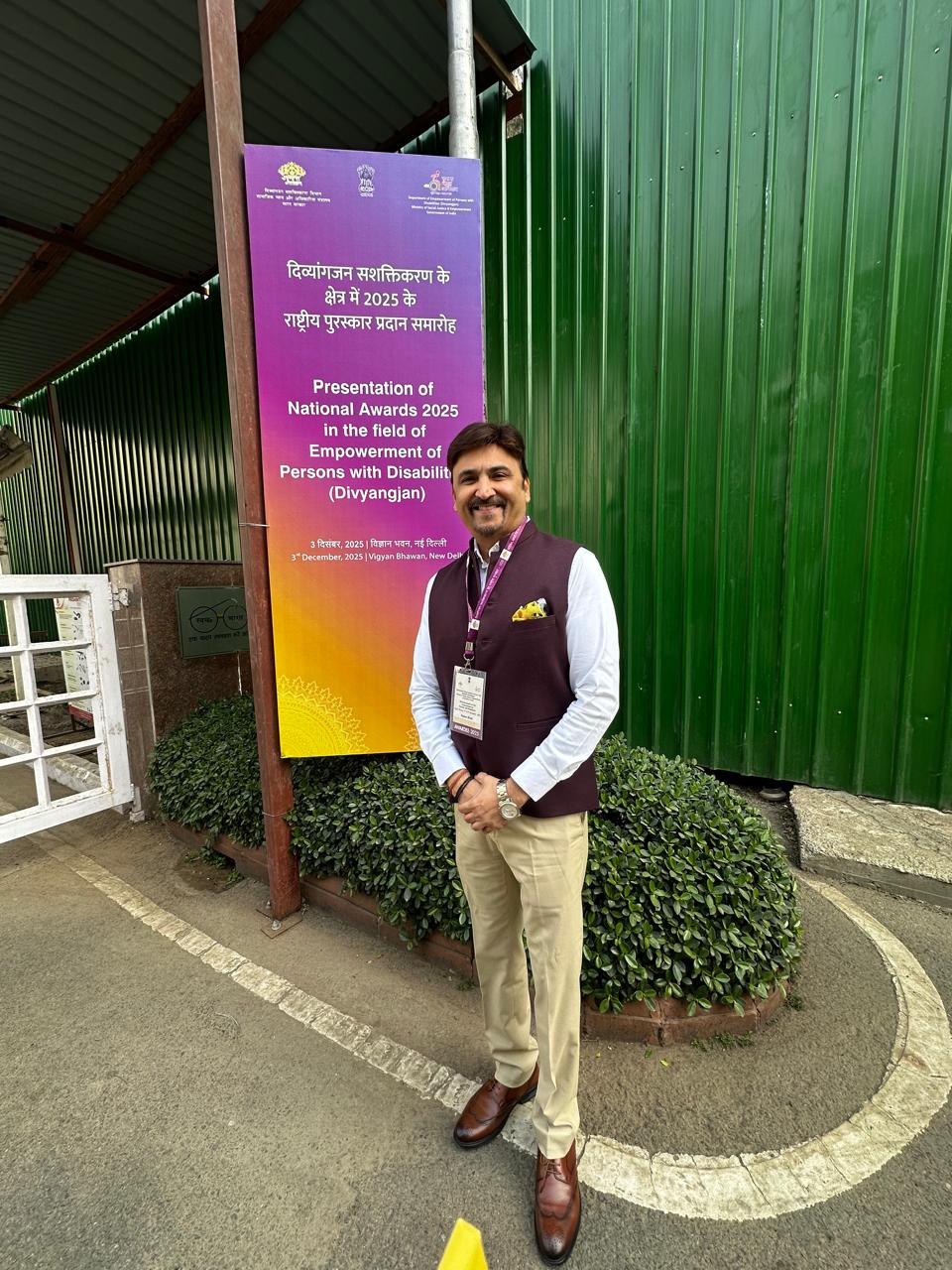
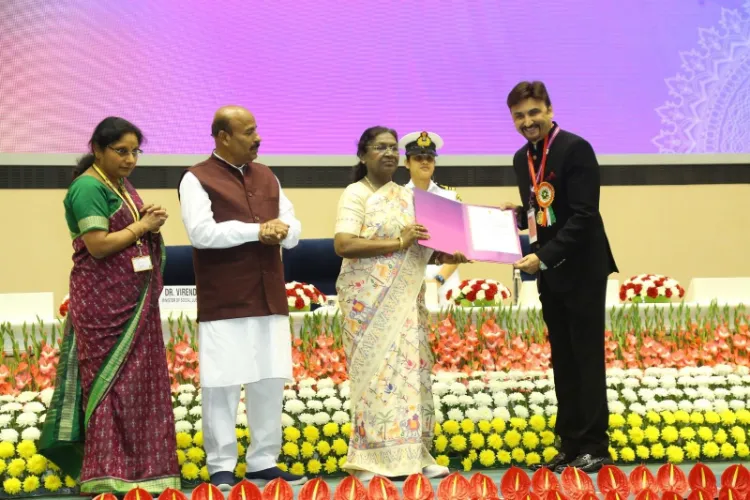
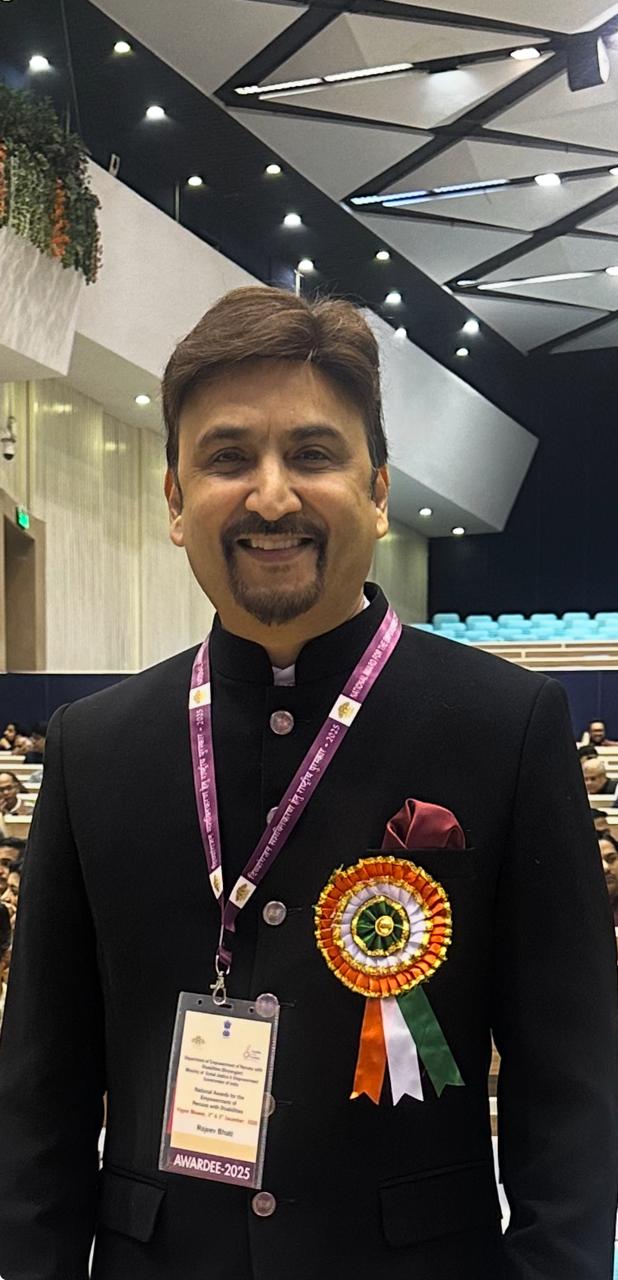
In 2025, Rajeev Bhatt was awarded in the category “Divyangjano Ke Sashaktikaran Ke Liye Karyarat Sarvshreshta Vyakti” — the best individual working for disability empowerment. The President of India personally felicitated him, highlighting the deep national gratitude for his body of work.
This accolade isn’t just symbolic. It brings national attention to the field of inclusive and neurodiversity-centred education, encourages replication of successful models, and reinforces the importance of evidence-based interventions and empathy in disability support.
From Awareness to Action: Rajeev Bhatt’s Journey
Rajeev Bhatt’s work has always been rooted in bridging gaps — between science and society, between ability and opportunity, and between diversity and inclusion. His journey over three decades can be understood through several key pillars:
1. Breaking Stigma Through Awareness and Education
In the 1990s and early 2000s, terms like autism, dyslexia and ADHD were not widely understood in Indian public discourse. Families often faced confusion, fear and isolation when their children struggled in school or social settings.
Bhatt’s early focus was on awareness and sensitization campaigns, reaching out not only to urban populations but also underserved rural and semi-urban communities. Through workshops, parent support groups and teacher trainings, he demystified developmental conditions and encouraged compassionate, informed responses from caregivers and educators.
2. Training Educators and Parents
Education is a shared responsibility. Bhatt believed that meaningful inclusion requires well-trained teachers and supported families.
He conducted teacher training programmes that equipped teachers with practical strategies for differentiated instruction, behaviour support and classroom accommodations. Parents, too, were invited into the learning process — receiving training to understand their child’s learning profile, emotional needs and strengths.
This dual focus on school and home environments helped create consistent support systems for neurodiverse learners.
3. Writing Accessible Resources
To make scientific and clinical knowledge accessible to non-specialists, Rajeev Bhatt authored influential books such as Decoding Autism and Decoding Dyslexia. These works have become go-to resources for parents, teachers and professionals alike, helping readers distinguish myth from evidence, and fear from possibility.
His books explain complex neurological concepts in clear, everyday language — empowering readers to make sense of diagnostic labels and translate insights into actionable support strategies.
Adhyayan Inclusive Learning Centre — A National Benchmark
While awareness is crucial, transformative change requires institutional practice. This is where the Adhyayan Inclusive Learning Centre plays a central role in Bhatt’s legacy.
What Is Adhyayan Inclusive Learning Centre?
Founded and led by Rajeev Bhatt in South Delhi, the Adhyayan Inclusive Learning Centre is widely regarded as a model for inclusive education in India. It embodies Bhatt’s philosophy of individualised, strength-based learning — tailoring educational programmes to each child’s unique needs, pace and potential.
Unlike traditional special schools that may focus on deficit-based interventions, Adhyayan emphasises holistic development — blending academic skills with social-emotional learning, life skills, vocational readiness and confidence building.
Individualised Education Plans (IEPs)
Every learner attending Adhyayan receives an Individualised Education Plan (IEP) — a dynamic roadmap co-created with educators, therapists and parents. These IEPs identify strengths, challenges and goals, and guide customised instruction, therapy and skill development.
This approach ensures that each child isn’t forced to fit a one-size-fits-all curriculum, but is supported in a way that honours how they learn best.
Holistic Programmes for Diverse Needs
Adhyayan’s curriculum is multifaceted, often including:
- Academic support with adaptive methods
- Speech and language therapy
- Occupational therapy
- Behavioural and emotional support
- Vocational training in areas like hospitality, digital skills, arts and crafts
- Social and communication skill development
By integrating therapy, learning and life skills, the centre helps learners progress toward independence and meaningful participation in society — not just academic performance.
Community Model and Impact
Operated as a community-oriented centre, Adhyayan also serves as a training hub for educators and a resource centre for families. Many of its practices have inspired other schools and organisations to adopt more inclusive methodologies.
This ripple effect has helped spread Bhatt’s vision far beyond Delhi, contributing to a broader movement toward compassionate and evidence-based education for all learners.
Why the National Award Matters
Being honoured by the President of India with the National Award 2025 represents formal recognition of decades of impact — but its significance goes deeper:
1. Recognition of Inclusive Practice
The award acknowledges that inclusive education is not an abstract ideal, but a practical and achievable approach. It signals a national shift toward valuing diversity and supporting learners across the ability spectrum.
2. Spotlight on Neurodiversity
By honouring someone whose work centres on conditions like autism and dyslexia, the award sends an important message: neurodiversity is part of the natural variation of human experience, and society has a responsibility to understand and support it.
3. Inspiration for Others
Awards such as this inspire other educators, advocates and institutions to push boundaries, innovate and remain committed to inclusive practice — even when change feels slow.
4. Policy and Awareness Momentum
Recognition at the national level helps keep disability issues visible in public and policy discussions. It encourages governments, NGOs and civil society to prioritise accessibility, early intervention and educational equity.
Voices from the Field: What This Recognition Means
For many families and professionals who have been influenced by Rajeev Bhatt’s work, this award is deeply affirming.
Parents who once felt isolated now see their children celebrated for their unique strengths. Educators use inclusive methods in classrooms that were once rigid. And young learners with developmental challenges see role models who believe in their possibilities.
Challenges and Opportunities Ahead
Despite progress, significant work remains in India’s disability and education sectors:
- Awareness Gaps: Many regions still lack access to accurate information and support services.
- Resource Constraints: Inclusive education requires sustained investment — in training, adaptive technologies and specialised support.
- Policy Implementation: While laws and policies support inclusion, implementation at grassroots levels needs ongoing advocacy and oversight.
The recognition of leaders like Rajeev Bhatt helps keep these issues at the forefront, reminding policymakers and educators that systemic change is both necessary and achievable.
Conclusion: A Legacy of Inclusion and Possibility
The honour bestowed upon Rajeev Bhatt in 2025 — by none other than the President of India — is far more than a personal accolade. It represents a celebration of empathy, evidence, education and empowerment. It affirms that inclusive education is a vital national priority, and that transformative impact happens when experts dare to challenge stigma with knowledge and compassion.
Through his books, his community outreach, his teacher and parent education programmes, and the flagship Adhyayan Inclusive Learning Centre, Bhatt’s legacy will continue to inspire new generations of educators, caregivers and learners.
As India continues to strive toward a more inclusive, equitable and empowered society, his work remains a timeless reminder: true inclusion begins when we recognise ability in every child — and create space for all of them to thrive.